You open the pricing page and the same two buttons stare back: free forever, or free for 14 days. Big products run freemium. Launch posts celebrate “no credit card.” So you copy the free tier, ship it, and wake up answering tickets for people who will never pay.
That is not a growth strategy for one person. It is an unpaid second job. Indiecity is for one person or a team under twenty. You do not have a success team to absorb free users. You have evenings, a support inbox, and a stack bill. Freemium vs free trial is really: who pays for free usage?
Name the two models correctly
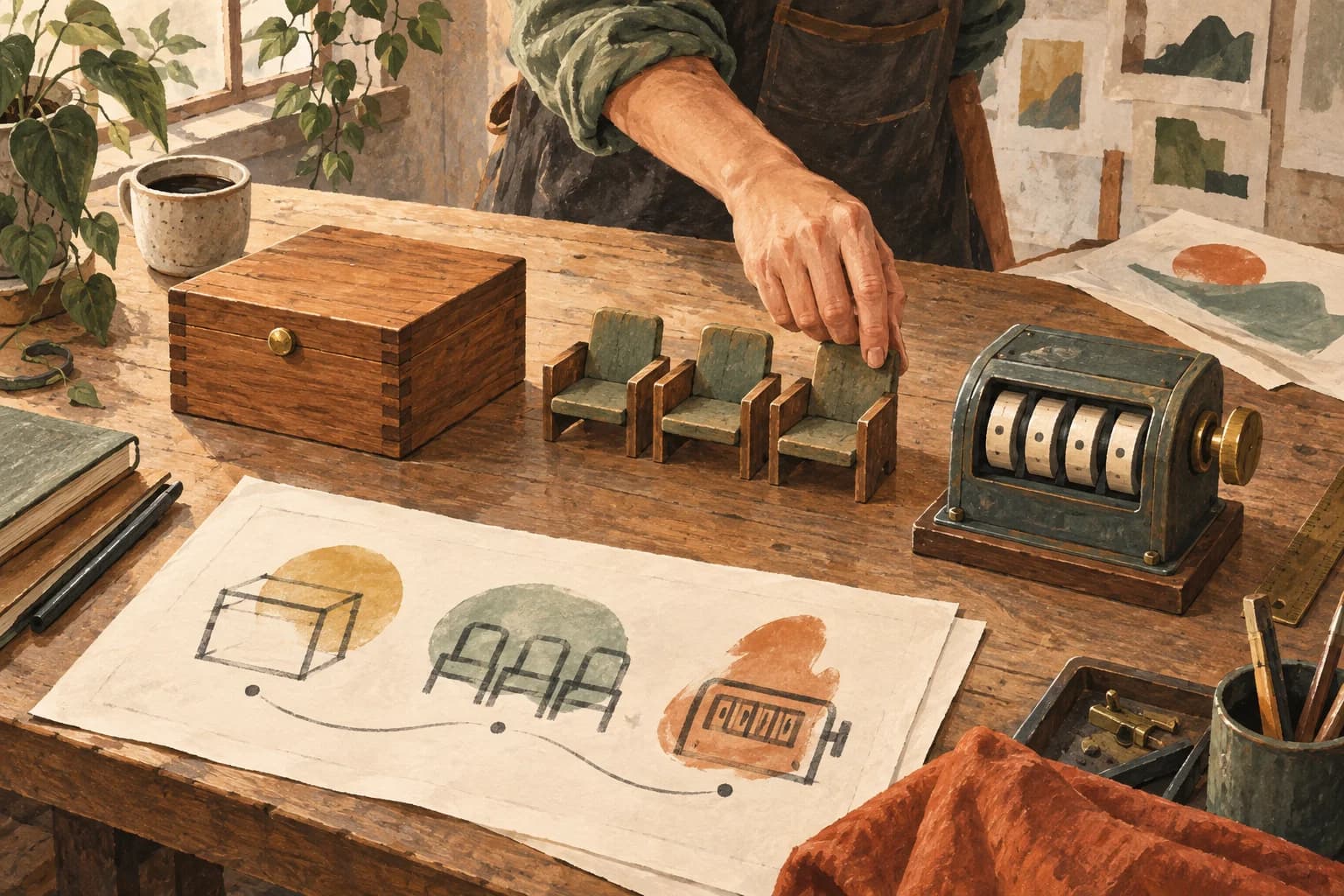
Freemium means a forever-free plan with limits, and paid plans for more. Free trial means time-limited access (usually the full product), then pay or stop. A reverse trial is temporary premium on top of a free plan. A money-back guarantee is not freemium. A waitlist is not a trial.
If you cannot say which one you run in one sentence, the pricing page is confused. Confused pages collect people who click around. They do not collect cards.
The one-person constraint is support cost
Every free account has a cost. Hosting and storage. API and model calls. Email volume. Feature requests from people who will not upgrade. Password resets at midnight. You answer those yourself. Paid users wait while you debug a free user’s edge case.
On Indie Hackers in 2023, James Fleischmann laid out freemium vs free trial with comments from builders actually shipping. Vance Lucas’s line is the one that still fits a solo product: most indie hackers, solo founders, and small startups without funding are not in any kind of position to support a forever-free tier.
Indie Hackers · u/James Fleischmann
Freemium vs free trial: Where do you stand?Builders split on free forever vs trials. The constraint for solo founders is cost: time, stack, and support, not fashion.
Others on that thread said the same thing in different words. If each new user increases your cost, put a clock on free access. If free users only want free, a free plan does not turn them into buyers. It turns them into permanent load.
In 2026 the load got heavier. ChartMogul’s Conversion Report (Kyle Poyar with ProductLed, 200 products surveyed in January 2026) opens with a plain fact: supporting free users has gotten much more expensive as AI token costs have stayed high. A free forever plan that was “just storage” five years ago can burn real money now, once every account hits an API.
What public data actually says (not your fantasy rate)
Do not invent a conversion rate for a slide. When you need a public benchmark, cite one and move on. ChartMogul’s 2026 report is one of the few recent surveys with a method attached.
- Among those 200 products, free trial was the primary start for 57%. Freemium was 26%.
- The most common trial length was 14 days (62% of products).
- The median free-to-paid conversion across all products in the survey was 8%, with a wide spread. Few products sat on the median.
- Free-to-paid alone is incomplete. The report also walks signup rates: freemium often gets more signups; credit-card-required trials get fewer signups and a higher free-to-paid share among those who start.
Those are their numbers, for their sample, mostly products already past pure side-project scale. They are not a promise for your micro-SaaS. They are a reason to stop guessing from Slack’s marketing site. Read the report if you need the tables. Then measure your own funnel.
When freemium can work for one person
Freemium is not banned. It is expensive in attention. Use it when all of these are true, or most of them:
- Marginal cost per free user is near zero (no heavy AI, no large storage, no SMS).
- Support is rare because the free job is simple and the docs cover it.
- The free limit is a natural upgrade moment (export, seats, history, branding, volume).
- Free users help paid ones (network, templates, public pages, invites), not only themselves.
- You can still reach paying customers without drowning in free tickets.
If free users only consume and never create value for others, freemium is a marketing cost with no cap. Marketing costs with no cap kill solo products.
Also: a free plan is still a price. Zero is a price that trains people. Patrick McKenzie has been saying for years that you can often charge more than you think. A forever-free tier that does the whole job is not generosity. It is a product you refuse to sell.
When free trial is the default
Choose a free trial when any of these is true:
- You are one person and your week is already full.
- Each active user costs real money (compute, models, third-party APIs).
- The product has one clear job and people can feel value in days, not months.
- You need cash soon, not a vanity user count.
- You want feedback from people who might pay, not from people who only collect free tools.
A trial filters. It puts a decision on the calendar. Fleischmann’s 2023 thread and the comments under it keep returning to that point: trials cut people who never intended to pay. That is not rude. That is how you protect the people who do pay.
How to run a trial without a success team
A free trial fails when nobody uses the product, then says it was too expensive. They never saw the outcome. Des Traynor wrote this for Intercom years ago, and it still holds: the job during the trial is to show value, not to wait for the last day and hope. Use onboarding without a success team to define that first useful result and the help it requires.
You do not need their full playbook. You need a version a single founder can run:
- Write one sentence: what must happen by day three for the trial to be real (first project, first import, first invite, first report).
- On signup, ask what success looks like in their words. One field is enough.
- Email day 1, day 3, and two days before end: one tip tied to that outcome, not a feature tour.
- Offer one short call to people on your highest plan or highest-intent segment. Fifteen minutes. Show the one path that removes their pain. Then ask for the card if they are not already on file.
- When the trial ends, stop access cleanly. Offer pay, a short extension once, or nothing. Do not quietly convert them into a free tier you never designed.
On the card question, McKenzie’s Stripe Atlas guidance is practical for early SaaS: requiring a card for a trial often lowers signups and raises the share who actually use the product and pay. Dropping the card is something you earn later, when nurture and success systems exist. One person rarely has those systems on week one. Choose the paid pricing model separately from the trial, so buyers know what they will pay after evaluating the product.
A decision you can make this week
Skip the argument about which model is cooler. Run this checklist once, on paper:
- Write the marginal cost of one active free user per month (stack + support minutes + risk).
- Write how free users help paying users, if at all. If the answer is “they don’t,” freemium has no subsidy.
- Write time-to-value: hours or days until a careful user sees the outcome.
- If cost is material or help is zero, ship a free trial (often 7 or 14 days) with a clear end.
- If cost is near zero and free users help paid ones, ship a free plan with a hard limit that matches the upgrade story.
- Put the paid price on the page either way. Hide the price and you are still running a mystery, not an offer.
If you have not charged anyone yet, freemium is the wrong first experiment. Get a first paying customer before you invent a free tier. Waitlist vs charging on day one makes the same point: free interest is not payment. A free forever plan multiplies non-payment.
What to stop doing
- Copying Slack, Notion, or Dropbox because they have free tiers and venture history you do not.
- Calling a forever-free plan a “trial” on the page.
- Giving free users the whole product so paid has nothing left to sell.
- Keeping free users who abuse APIs or fill the inbox while paid customers wait.
- Planning on a conversion rate you made up for a deck.
- Adding freemium to avoid saying the price out loud.
Then you have a model you can run alone
Freemium and free trial are packaging. Packaging has to match a one-person operation. If free users cost more attention than they return in paid upgrades or network value, end free forever. Put a clock on access. Follow the trial. Ask for the card.
When someone pays after a clean trial, write the story. When the product is real and the name is yours, put it on the map. You can join Indiecity while you pick the model. Community does not answer free-user tickets for you.
Until then, count people who pay, not free seats.
FAQ
Questions people get stuck on
What is freemium, in plain words?
Freemium is a forever-free plan with limits (features, seats, usage) plus paid plans for more. Free trial is full (or near-full) product access for a fixed number of days, then pay or lose access. Do not mix the labels. Forever free is not a trial.
As a solo founder, which should I default to?
Default to a free trial unless free users cost almost nothing and clearly help paid ones (network effects, templates, public pages). On Indie Hackers, Vance Lucas put it bluntly: most solo founders and unfunded small teams are not in a position to support a forever-free tier. Your calendar is the constraint.
What conversion rate should I plan for?
Do not invent one for a pitch deck. ChartMogul’s 2026 Conversion Report (with ProductLed and Kyle Poyar) looked at 200 products and published its own free-to-paid ranges by model. Use that report if you need benchmarks. Your number is what your product does after real signups, not a number copied from a blog.
Should the free trial require a credit card?
Early on, usually yes if you sell to businesses and you cannot run onboarding and follow-up at scale. Patrick McKenzie wrote in Stripe Atlas that dropping the card often raises signups but hurts activation and paid conversion until you have serious onboarding, follow-up email, and a person who writes back. One person rarely has that system yet.
When does freemium actually make sense alone?
When the free plan is cheap to run, support is rare, and free users either upgrade on a clear limit or help paid users (share, invite, publish). If each free account costs API money, storage, or regular support time forever, freemium is a second product you run for free.
Can I offer both freemium and a free trial?
Yes. Many products put people on a full trial, then drop them to a limited free plan or a paid plan when the clock ends. That keeps urgency and a soft landing. Only do both if you can explain the path in one sentence and maintain two states in the product without drowning.
What if people only want free?
Say the price. Offer a shorter paid start (one month, one project, one seat), not a permanent free plan as a consolation prize. Free users teach you about free users. Getting your first 10 paying customers still means people who send money.
How long should a trial be?
Long enough for one full job in the product, short enough that you can follow every trial by hand. ChartMogul’s 2026 report found 14 days was the most common length among the products they surveyed. Match the length to time-to-value, not to what Slack or Notion show on their marketing sites.
What if AI makes free usage expensive?
Then freemium is riskier, not cooler. ChartMogul’s 2026 report notes that supporting free users has gotten more expensive as AI costs stay high. Cap usage, charge after a credit pack, or use a time-boxed trial. Do not run unlimited generation for people who will never pay.